Table of Contents
- Why Productizing Information Instead of Outcomes Fails
- How to Choose What to Productize (3 Key Criteria)
- Quick scorecard for your wedge
- 6 AI Product Types You Can Build From Your Expertise
- ① The Diagnostic Agent
- ② The Plan Builder
- ③ The Doer (Action Agent)
- ④ The Coach-in-a-Box
- ⑤ The Copilot (Workflow Companion)
- ⑥ The Quality Gate (Reviewer / Validator)
- How to Package Your Knowledge for AI Products
- ① Asset Type A: Your Rules of Judgment
- ② Asset Type B: Your Workflow (Steps + Order)
- ③ Asset Type C: Gold-Standard Examples
- What Are AI Agent Skills and How to Build Them
- Why this matters for productizing expertise
- What a Skill actually looks like
- Know the real constraints
- How to Price Your AI Product (Cost Breakdown + Strategy)
- Step 1: Pick your unit of value
- Step 2: Understand model costs
- Step 3: Don't ignore "inference whales"
- Step 4: Compare platform fee reality
- The practical takeaway
- 3 Proven Ways to Sell Your AI Product
- → Path A: Audience-Led (Fastest If You Already Have Trust)
- → Path B: Workflow-Led (Best If Your Product Fits a Specific Tool)
- → Path C: Partner-Led (Best If Your Buyers Are Inside Ecosystems)
- AI Product Security: What You Must Know
- Treat Skills like installing software
- Lock down tools and external inputs
- Regulated domains: add boundaries
- How to Improve Your AI Product After Launch
- When to Use a Hosted AI Platform vs Building Your Own
- What Agent37 provides
- When Agent37 is a strong fit
- When you should build your own SaaS instead
- Common Questions About AI Productization
- How to Launch Your First AI Product (Action Steps)

Do not index
Do not index
Picture this. Your calendar is maxed out with client sessions, you're turning away new requests, and your income stays stuck because there are only so many hours in a week. You know you're good at what you do. But you've hit the ceiling.
This is exactly the problem productizing your expertise with AI solves.
If you're searching for ways to turn what you know into something people can buy without booking your time, you're in the right place. This isn't another "just use ChatGPT" post. This is a practical blueprint for transforming your knowledge into a scalable AI-powered product that delivers real outcomes.
Here's what we'll cover:
• The core shift: productize outcomes, not information
• How to choose the right wedge for your AI product
• Six product archetypes you can build
• The technical pathway (Skills, agents, platforms)
• Pricing models that actually work
• Distribution strategies that get users
• Trust, security, and the eval loop
Let's get into it.
Why Productizing Information Instead of Outcomes Fails

Most people fail at this because they productize information instead of execution.
They upload PDFs to an AI and call it a product. That's not productizing expertise. That's creating a fancy search box.
Think about what you actually do for clients. You don't just tell them things. You:
• Take messy inputs and return decision-ready plans
• Turn raw documents into compliant deliverables
• Run proven workflows and output artifacts people pay for
That framing forces you to define scope, inputs, outputs, success criteria, and guardrails. That's a product.
If you're a coach or consultant, understanding how to scale a consulting business beyond hourly billing is the first mental shift required.
How to Choose What to Productize (3 Key Criteria)
The best AI products solve jobs that are:
Painful (time-consuming, confusing, risky, emotionally taxing)
Budgeted (people already pay for it)
Repeated (monthly or weekly cadence equals recurring revenue)

Quick scorecard for your wedge
Signal Type | Look For |
Pain signals | People complain about it unpromptedIt blocks revenue, compliance, or hiringIt's urgent but not important work they hate doing |
Budget signals | There's an existing line item (agency, contractor, SaaS, consultant)The work touches money (sales, contracts, procurement, claims)The work touches risk (legal exposure, audits, compliance) |
Repetition signals | Happens every week or month (reporting, outreach, intake, analysis)Same workflow with different inputs each timeOutput format is standardized (PDF, proposal, spreadsheet, deck) |
If your wedge lacks repetition, you can still productize. You'll just sell one-time products instead of subscriptions. But for maximum leverage, aim for all three.
Understanding subscription business model examples can help you identify which revenue patterns fit your expertise.
6 AI Product Types You Can Build From Your Expertise
Your expertise can take different shapes. Pick one archetype as your starting point. You can expand later.

① The Diagnostic Agent
Sells: Clarity and prioritization
Delivers: Assessment, score, risk flags, next steps
Great for: Consultants, auditors, specialists
Examples: RFP fit analyzer, marketing funnel leak diagnosis, hiring pipeline audit
② The Plan Builder
Sells: A credible plan people would pay you to create
Delivers: Roadmap, timeline, messaging, SOPs, scripts
Examples: 90-day career transition plan, board-ready strategy memo, compliance remediation plan
③ The Doer (Action Agent)
Sells: Time saved and fewer mistakes
Delivers: Executes steps (drafts docs, runs analysis, generates files)
This is where AI agent platforms shine. The AI doesn't just talk. It produces artifacts and runs workflows. Understanding the difference between AI agents and chatbots is critical for knowing which archetype fits your expertise.
④ The Coach-in-a-Box
Sells: Ongoing guidance and accountability
Delivers: Interactive coaching sessions, structured prompts, practice
Anthropic's Claude Cowork preview emphasizes the assistant acting more like a teammate with file access and queued tasks. This points to where coaching-style AI is headed.
If you're a coach, learning how to create a coaching program that can be AI-enabled is a powerful combination. You can also explore AI coach app platforms that make this process easier.
⑤ The Copilot (Workflow Companion)
Sells: Speed inside an existing workflow
Delivers: Embedded support in tools like Notion, Jira, spreadsheets
⑥ The Quality Gate (Reviewer / Validator)
Sells: Risk reduction
Delivers: Checks outputs against rules, standards, brand guidelines
Start with one. You can expand once you validate demand.
For entrepreneurs looking to use AI across their business, AI for entrepreneurs provides a broader strategic framework.
How to Package Your Knowledge for AI Products
AI productization is mostly a knowledge engineering problem. You need three asset types.

① Asset Type A: Your Rules of Judgment
These are the decision policies you apply without thinking.
Examples:
• What makes a good resume bullet?
• What disqualifies an RFP?
• What are red flags in a contract clause?
Format it as:
• A rubric (0-3 scale)
• A checklist
• If/then decision tree
• Common failure modes plus fixes
② Asset Type B: Your Workflow (Steps + Order)
Write the exact sequence you run with clients.
Example (career coach):
- Intake (constraints, target roles, stories)
- Story extraction into bullet bank
- Resume draft and iterate
- LinkedIn narrative and iterate
- Outreach scripts
- Weekly accountability loop
③ Asset Type C: Gold-Standard Examples
AI gets dramatically better when it can pattern-match high-quality examples.
Collect:
• 10 "before to after" transformations
• 10 "great outputs" (redacted)
• 10 "bad outputs" with your corrections
If you do nothing else, do this. Examples are your fastest path to "it feels like me."
What Are AI Agent Skills and How to Build Them
In 2025, Anthropic pushed hard on Agent Skills: a filesystem-based way to package instructions, scripts, and resources so agents can reliably execute specialized work.
Anthropic describes Skills as a system where content is loaded in stages (progressive disclosure), so only relevant instructions enter the context window when needed.

Why this matters for productizing expertise
Skills let you ship your expertise as:
→ Reusable modules (not copy/paste prompts)
→ Deterministic scripts (reliability)
→ Large reference libraries without blowing context (efficiency)
Anthropic also released Agent Skills as an open standard with a specification and reference SDK. VentureBeat reported adoption by tools across the ecosystem, including Microsoft tooling and popular coding agents.
That means Skills are rapidly becoming a portable packaging format for expertise. Like plugins, but oriented around procedural workflows.
If you want to monetize Claude Code skills specifically, there are now platforms designed for that exact use case.
What a Skill actually looks like
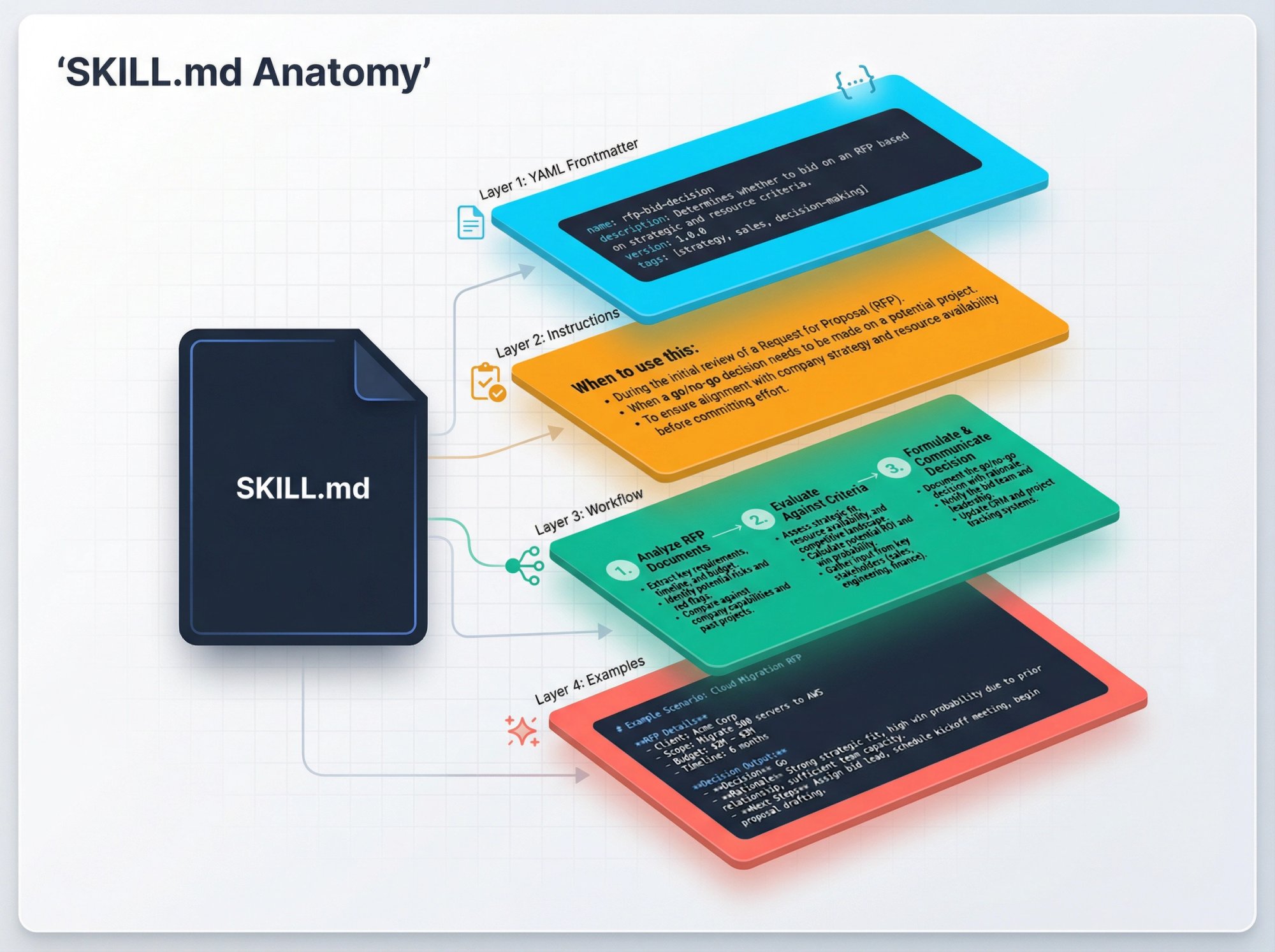
A Skill requires a
SKILL.md file with YAML frontmatter (name, description) and then instructions plus examples.Production-ready SKILL.md structure:
---
name: rfp-bid-decision
description: Decide whether to bid on an RFP and produce a bid/no-bid memo with risks, assumptions, and next steps.
---
# RFP Bid Decision
## When to use this
Use when user provides an RFP or summary and wants a bid/no-bid recommendation.
## Workflow
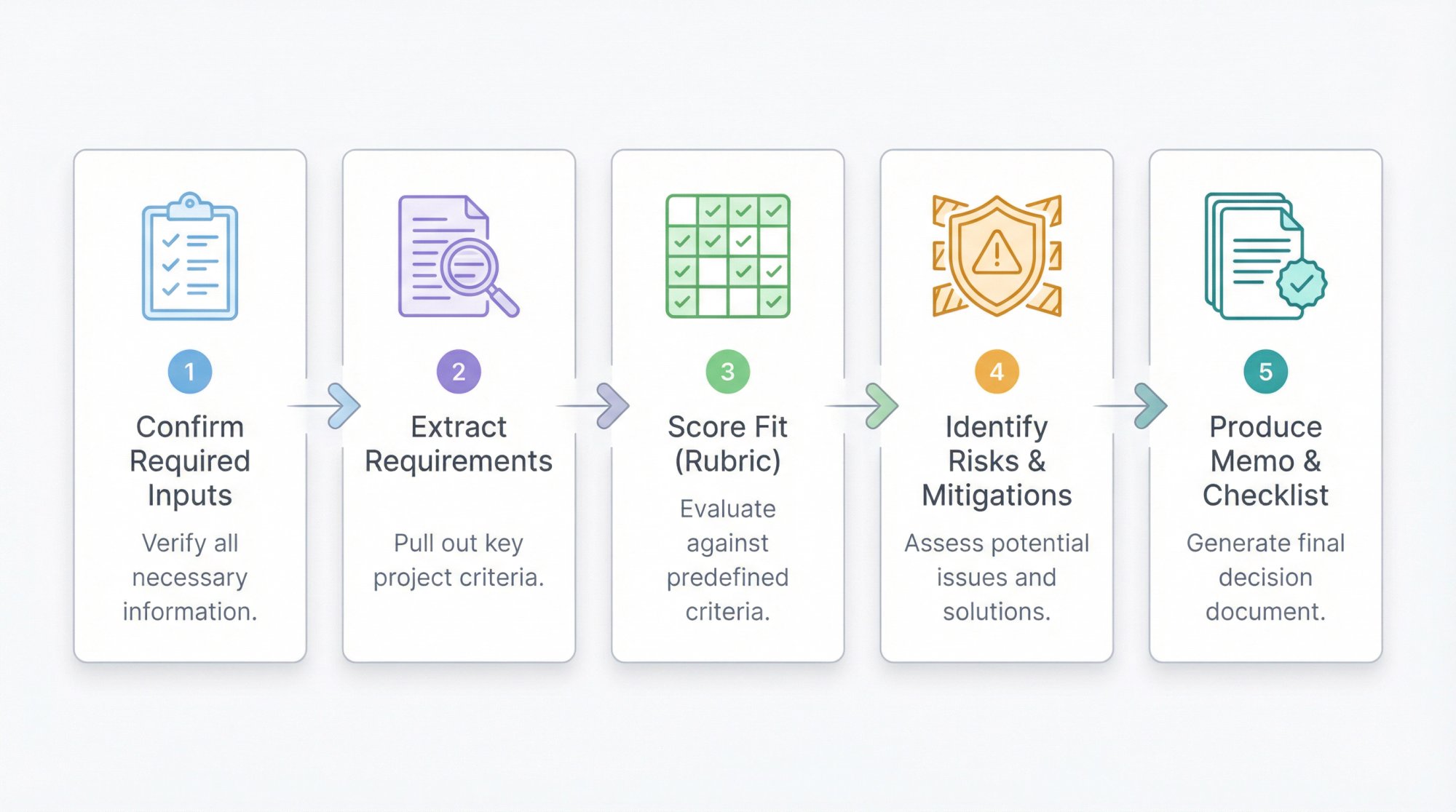
1) Confirm required inputs
2) Extract requirements
3) Score fit (rubric)
4) Identify risks and mitigations
5) Produce memo and checklist
## Rubric
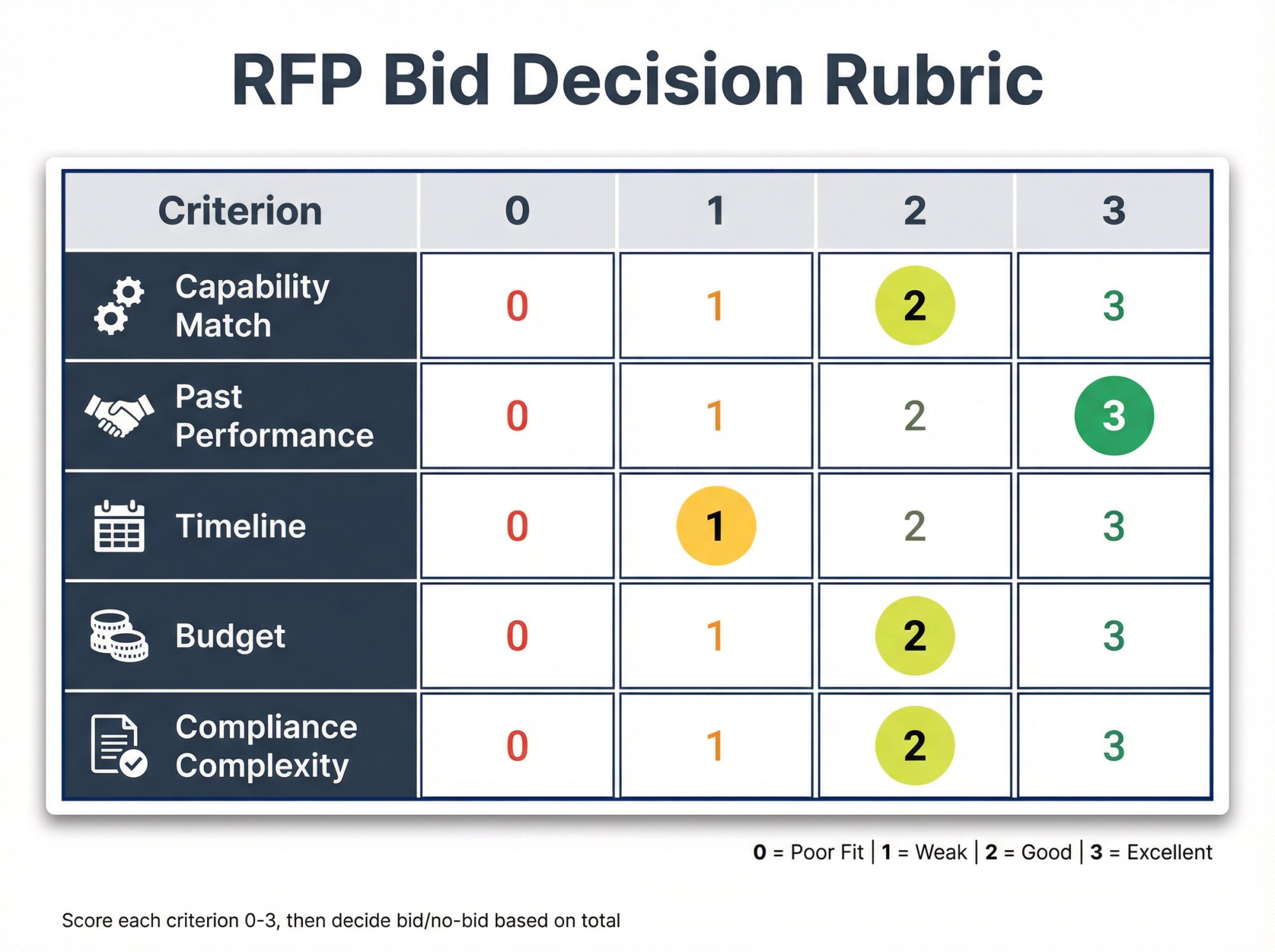
Fit score 0-3 on: capability match, past performance, timeline, budget, compliance complexity
## Output format
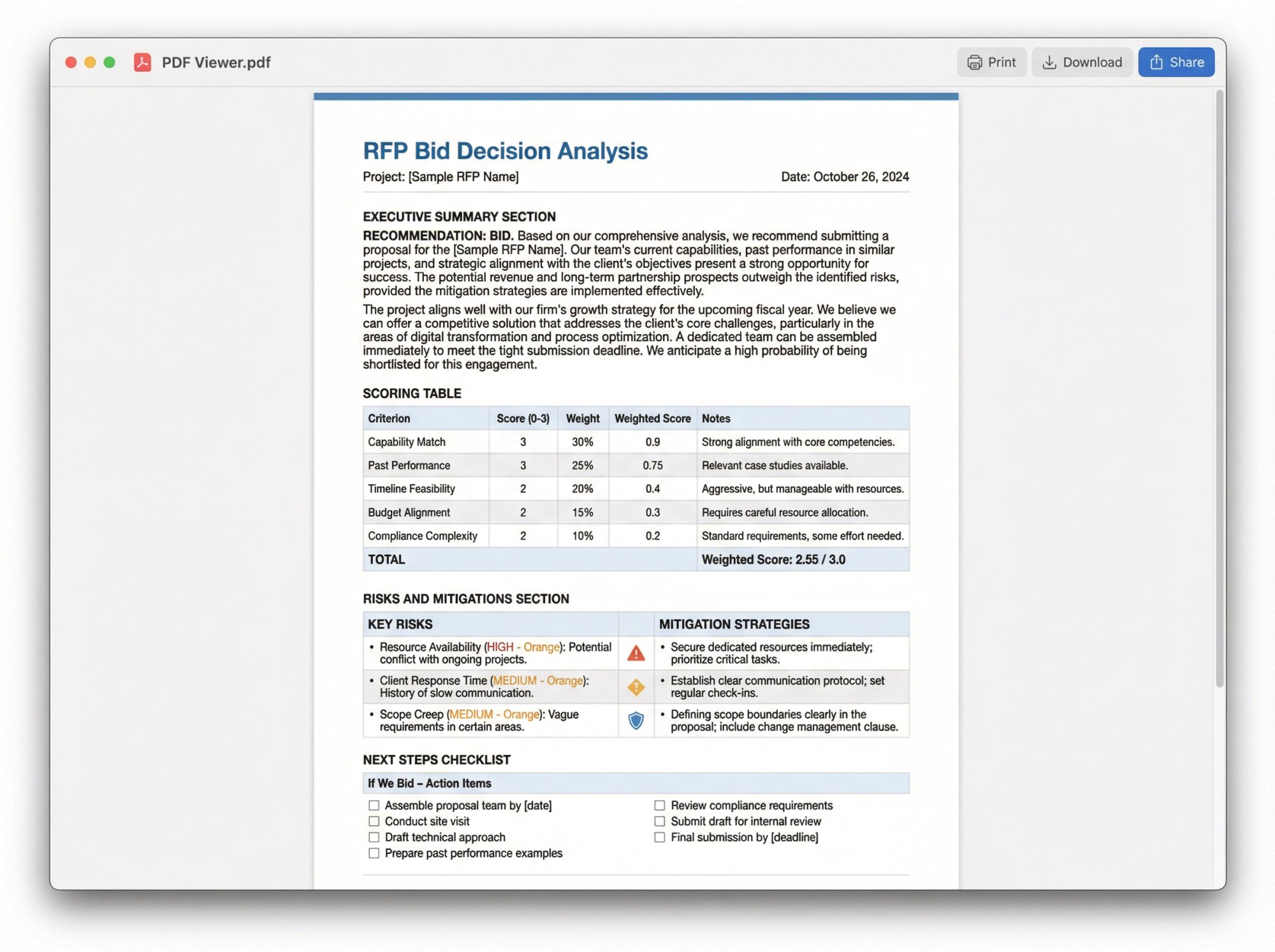
- 1-page exec summary
- Scoring table
- Risks and mitigations
- "If we bid" next steps checklist
## Examples
### Example 1: ...Know the real constraints
Anthropic's documentation is clear that runtime constraints vary by surface. For example, the Claude API surface explicitly states Skills have no network access (can't call external APIs or internet), and can't install packages at runtime.
This matters because many expertise products require:
• Pulling external data
• Calling APIs
• Integrating with business systems
So distribution and runtime aren't just "nice to have." They determine what can be productized.
For non-technical creators, no-code AI platforms can bridge the gap between your expertise and technical implementation.
How to Price Your AI Product (Cost Breakdown + Strategy)

You need to price like a product, not like an hourly consultant.
Understanding pricing strategy for consulting services helps you transition from hourly billing to value-based product pricing.
Step 1: Pick your unit of value
Good units:
• Per role / per seat (teams)
• Per workflow outcome (e.g., "10 proposals/month")
• Per usage block (credits)
• Per month (subscription) when value repeats
Step 2: Understand model costs
If you're using Claude via API, here are the current rates:
Model | Input Cost | Output Cost |
Claude Sonnet 4.5 | ||
Claude Opus 4.5 |
Anthropic's pricing documentation centralizes current model rates.
Simple cost model (example):
Assume an average user does 100 meaningful interactions per month. Each interaction: 2,000 input tokens plus 1,000 output tokens.
Monthly totals:
• Input: 200,000 tokens
• Output: 100,000 tokens
Using Sonnet 4.5 pricing:
• Input cost ≈ 0.2M × 0.60**
• Output cost ≈ 0.1M × 1.50**
Total ≈ $2.10 per user/month (plus your platform, support, and tooling costs)
Your real numbers may be 10× higher depending on context size, file processing, long outputs, and agentic loops. The point: do the math before you pick a pricing model.
Step 3: Don't ignore "inference whales"
Heavy users can blow up flat-rate subscription economics. Business Insider reported on "inference whales" in AI coding tools (users whose consumption can massively exceed what they pay, pushing companies toward tiered or usage-based caps).
Build pricing that scales with usage or value:
• Tiered plans
• Fair-use limits
• Credit packs for burst usage
Step 4: Compare platform fee reality
When you sell digital expertise products, distribution plus runtime plus support often matter more than raw fee percentages.
Reference points for 2026:
Platform Type | Typical Fee Structure |
Digital product marketplaces | 10-30% depending on discovery vs direct sales |
Content subscription platforms | 10% platform fee + payment processing (2.9% + $0.30) |
Membership platforms | 10% standard platform fee for new creators |
The practical takeaway
You're not choosing "the cheapest fee." You're choosing the system that lets you:
• Deliver value reliably
• Handle billing
• Control limits
• Iterate fast
• Distribute easily
If you're exploring different ways to sell AI automations online, understanding these economics upfront will save you from pricing mistakes.
3 Proven Ways to Sell Your AI Product
There are three real distribution paths.

→ Path A: Audience-Led (Fastest If You Already Have Trust)
Channels: newsletter, YouTube, LinkedIn/X, podcast
Best content format: "Before to after" walkthroughs (show outputs, show time saved)
If you're building authority, understanding thought leadership content strategy helps you create content that sells your AI product.
→ Path B: Workflow-Led (Best If Your Product Fits a Specific Tool)
Strategy: integrate into Notion/Jira/Sheets/CRM, become "the missing feature"
This is where Skills and integrations shine.
→ Path C: Partner-Led (Best If Your Buyers Are Inside Ecosystems)
Leverage: agencies, communities, platforms where your ICP hangs out
Your first sales asset should not be a long landing page. It should be:
• A 60-90 second demo
• A single "try it" link
• 3 example prompts and outputs
For coaches and consultants, business mentoring programs can be a distribution channel if you position your AI tool as an extension of your methodology.
AI Product Security: What You Must Know
When you productize expertise with AI, you're shipping a system that can:
• Take user inputs
• Interpret them
• Run tools
• Generate outputs that look authoritative
That's power. And liability.
Treat Skills like installing software
Lock down tools and external inputs
If your AI agent can browse, scrape, call APIs, or run scripts:
• Restrict tool permissions
• Isolate credentials
• Log tool calls
• Add "are you sure?" checkpoints for destructive actions
• Maintain allowlists for domains/APIs
Regulated domains: add boundaries
If you're in legal, medical, financial, or mental health, you need:
• Explicit disclaimers
• Clear refusals
• Escalation pathways to humans
(And you should consult qualified counsel for your specific jurisdiction.)
How to Improve Your AI Product After Launch
Most AI products die from silent failure:
• Users get one bad answer
• They leave
• You never learn why
You need an eval loop:
- Capture failures
- Categorize them
- Fix the top failure mode
- Ship
- Repeat weekly
A key limitation of some platforms is that creators may not get access to user conversation logs for systematic improvement. For example, OpenAI's help documentation states GPT creators cannot access user conversations with their GPTs.
That doesn't mean GPTs aren't useful. But it changes how you iterate and how quickly you can improve based on real usage.
For those looking at alternatives, understanding CustomGPTs alternatives helps you compare platforms based on iteration capabilities.
When to Use a Hosted AI Platform vs Building Your Own
At Agent37, we built a platform specifically for this use case: host and monetize Agent Skills and Claude Agent SDK workflows as a product.

What Agent37 provides
Feature | Description |
Runtime Environment | Hosted Claude Agent SDK (your Skills can execute bash, Python, API calls, file processing) |
Built-in Monetization | Stripe payments with 80/20 revenue split (you keep 80%) |
Trial Experience | 10-20 free messages per user, then subscription required |
Multi-Modal Interfaces | Chat and voice call interfaces out of the box |
Evals System | Analyze real user conversations, identify failure points, iterate systematically |
We solve the core distribution problem for skill creators: your buyer can't run your skill easily without the right local setup. Agent37 gives you a shareable link people can try immediately.
If you're exploring how to build an AI assistant or create an AI assistant from your expertise, Agent37 handles the infrastructure so you can focus on the knowledge engineering.
When Agent37 is a strong fit
• A shareable link people can try immediately
• Billing and trials without building a SaaS stack
• Fast iteration on a hosted experience (instead of selling files)
• To monetize procedural expertise as Skills/workflows
When you should build your own SaaS instead
Build your own when you need:
• A deeply custom UI beyond chat/voice
• Strict data residency requirements
• Enterprise procurement and custom compliance
We're pragmatic about this. If your use case demands full control, build custom. But for most experts who want to productize knowledge fast, a hosted platform removes 90% of the technical overhead.
For those exploring different AI app builders, understanding the trade-offs between hosted platforms and custom development is crucial.
Common Questions About AI Productization
Will people pay for AI when ChatGPT exists?
People pay for outcomes:
• Your workflow
• Your rubrics
• Your templates
• Your decision standards
• Your integrations
• Your support
Generic models are abundant. Reliable specialization is scarce.
Do I need to code?
Not necessarily. But you do need:
• A structured workflow
• Examples
• Clear boundaries
• A packaging format (Skills, automations, etc.)
If your product requires deterministic steps (parsing, checking, formatting), code or scripts often improve reliability dramatically.
Won't users just copy outputs?
Sometimes. Your moat comes from:
• Ongoing updates
• Integrated workflows
• Interactive guidance
• Personalization
• Speed and reliability
Subscription or usage-based?
If value repeats monthly and behavior is predictable: subscription is fine.
If usage can spike or power users can explode costs: usage-based or tiered caps are safer (see "inference whales").
How do I stop hallucinations?
You don't "stop" them. You design around them:
• Restrict scope
• Use rubrics
• Prefer scripts for deterministic steps
• Require citations/quotes from source documents when appropriate
• Add validation passes
• Build evals around real failures
What if my expertise requires live conversation?
Agent37 includes a voice call interface by default. Users can literally call your AI and have a conversation. This works great for coaching, consulting, and any expertise that benefits from verbal interaction.
How do I know if people will actually use it?
Start with one painful use case. Build a simple version. Get 5-10 people to try it for free. Ask them: "Would you pay $X/month for this?" Their feedback (and actual usage patterns) will tell you if you're onto something.
Can I update my AI after launch?
Yes. One of the biggest advantages of AI products is continuous improvement. You can update the knowledge base, refine prompts, add new Skills, and improve outputs based on real user feedback. Unlike a book or course, your AI product can evolve.
For those exploring different approaches, comparing how to create a custom GPT versus Skills-based products reveals different iteration and control capabilities.
How to Launch Your First AI Product (Action Steps)
Start with one job, one output artifact, one pricing unit. Ship v1. Then build the eval loop and expand your Skill library from real usage.
The barrier to entry has never been lower. What used to require a dev team and months of work can now be done in weeks with platforms like Agent37.
Your expertise is valuable. With AI, its value can be multiplied like never before.
If you're wondering what is a digital product and how AI-powered expertise products fit into that landscape, explore how digital products create leverage.
For SMBs looking to implement AI more broadly, best AI tools for small businesses provides a comprehensive overview of the ecosystem.